

Man, if you thought flu season was predictable, think again. Japan just got slammed with an influenza epidemic that’s rolled in way ahead of schedule – like, five weeks early – and it’s causing chaos. I’ve been scrolling through the latest reports and YouTube breakdowns (shoutout to those explainer vids on “Japan flu outbreak” that popped up recently), and it’s clear this isn’t your average sniffles situation. Declared official on October 3, 2025, by the Ministry of Health, this surge has already hospitalized thousands and forced school closures across the country. If you’re planning a trip there or just keeping an eye on global health trends, this is worth paying attention to.
So, what’s the deal? Normally, flu peaks in Japan around late December to February, but this year it’s kicking off in early October, making it the second-earliest start in two decades. Experts are pointing fingers at a combo of factors: record-breaking tourist numbers bringing in viruses from abroad, warmer weather messing with seasonal patterns, and possibly some virus mutations making it spread faster. Reiko Saito from Niigata University mentioned in interviews that the influx of visitors is a big player here – think crowded trains and tourist spots turning into petri dishes. The numbers are jumping quick: Between September 22-28, over 4,000 folks were treated, and by early October, hospitalizations topped 6,000. That’s a fourfold spike in just a week.
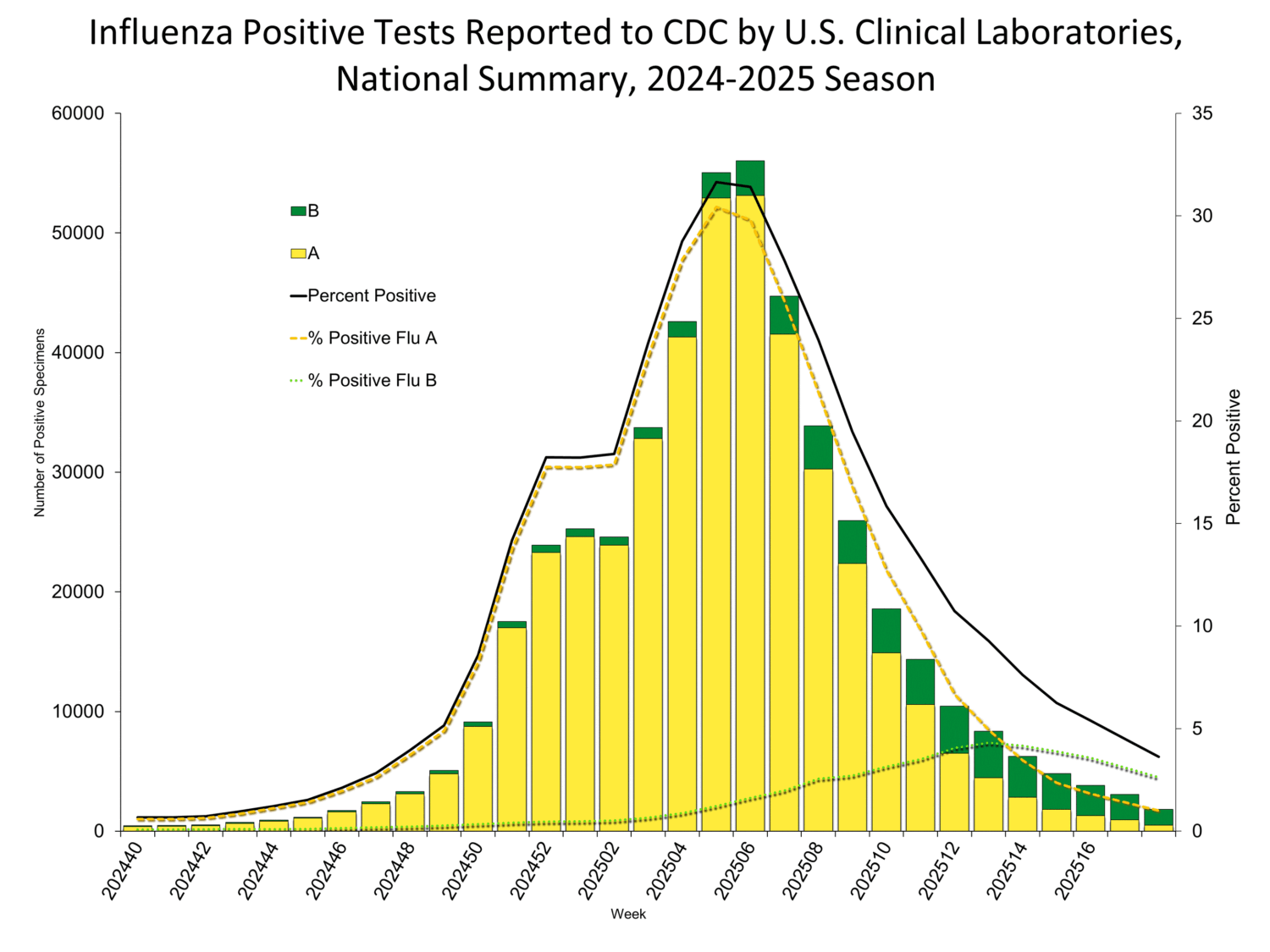
Impacts are real and immediate. Over 135 schools have shut down, especially in hotspots like Okinawa, Tokyo, and Kagoshima – one primary school in Yamagata closed entirely after nearly two-thirds of its kids got hit. Hospitals are feeling the strain with wards filling up, echoing those tough pandemic days. The elderly and kids are getting the worst of it, with warnings that this could drag on longer than usual. And it’s not just Japan; similar upticks are happening in Singapore, Thailand, and even India, hinting at a broader Asian wave.
On the virus side, it’s mostly the usual suspects: A(H1N1)pdm09, A(H3N2), and type B strains. Some resistance to antivirals like oseltamivir has been spotted in a tiny fraction of cases, but vaccines are still the best bet. Health officials are pushing hard for vaccinations – get ’em by end of November if you’re at risk. Basic stuff like masking in crowds, handwashing, and avoiding packed places can help too. Tourists, heads up: Grab travel insurance that covers medical stuff, and maybe pack some masks.
To break it down clearer, here’s a quick specs table on the key stats from this outbreak so far:
| Metric | Value/Details | Notes/Source |
|---|---|---|
| Start Date | October 3, 2025 | Second-earliest in 20 years |
| Hospitalizations | Over 6,000 (as of early October) | Surged from 4,000 in late September |
| Schools Closed | 135+ | Mainly in southern prefectures |
| Average Cases per Institution | 1.04 | Exceeded epidemic threshold |
| Main Strains | A(H1N1)pdm09, A(H3N2), B | Some antiviral resistance noted |
| At-Risk Groups | Elderly, children, chronic conditions | Urged to vaccinate ASAP |
| Potential Causes | Tourist influx, virus evolution | Part of Asian-wide trend |
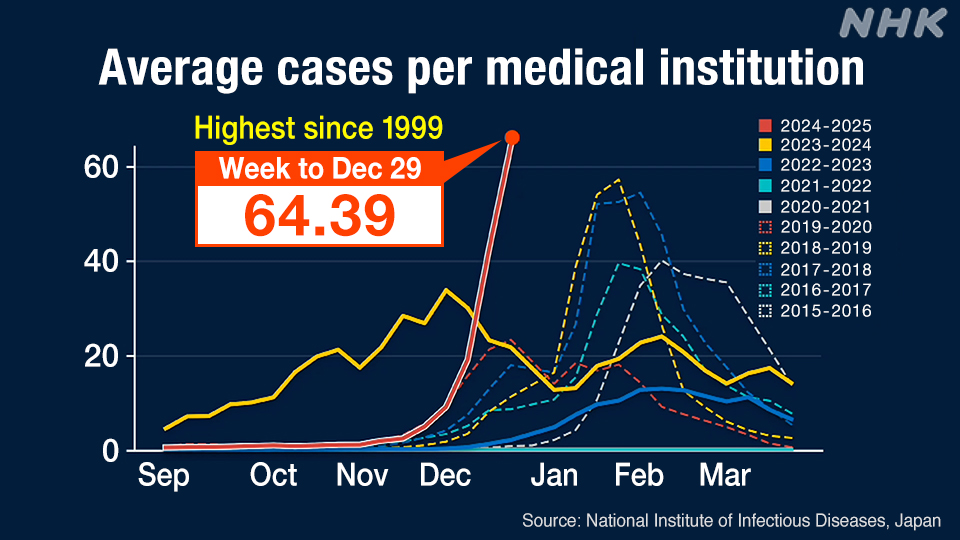
Look, no one’s saying this is the next big pandemic, but it’s a reminder that flu isn’t messing around. If you’re in Japan or heading there, stay vigilant – wash those hands, get vaxxed if you can, and maybe skip the super-crowded spots. Globally, it might mean prepping for an earlier flu season elsewhere too. What do you think – is this just a blip, or the new normal? Drop your thoughts below. Stay healthy out there!